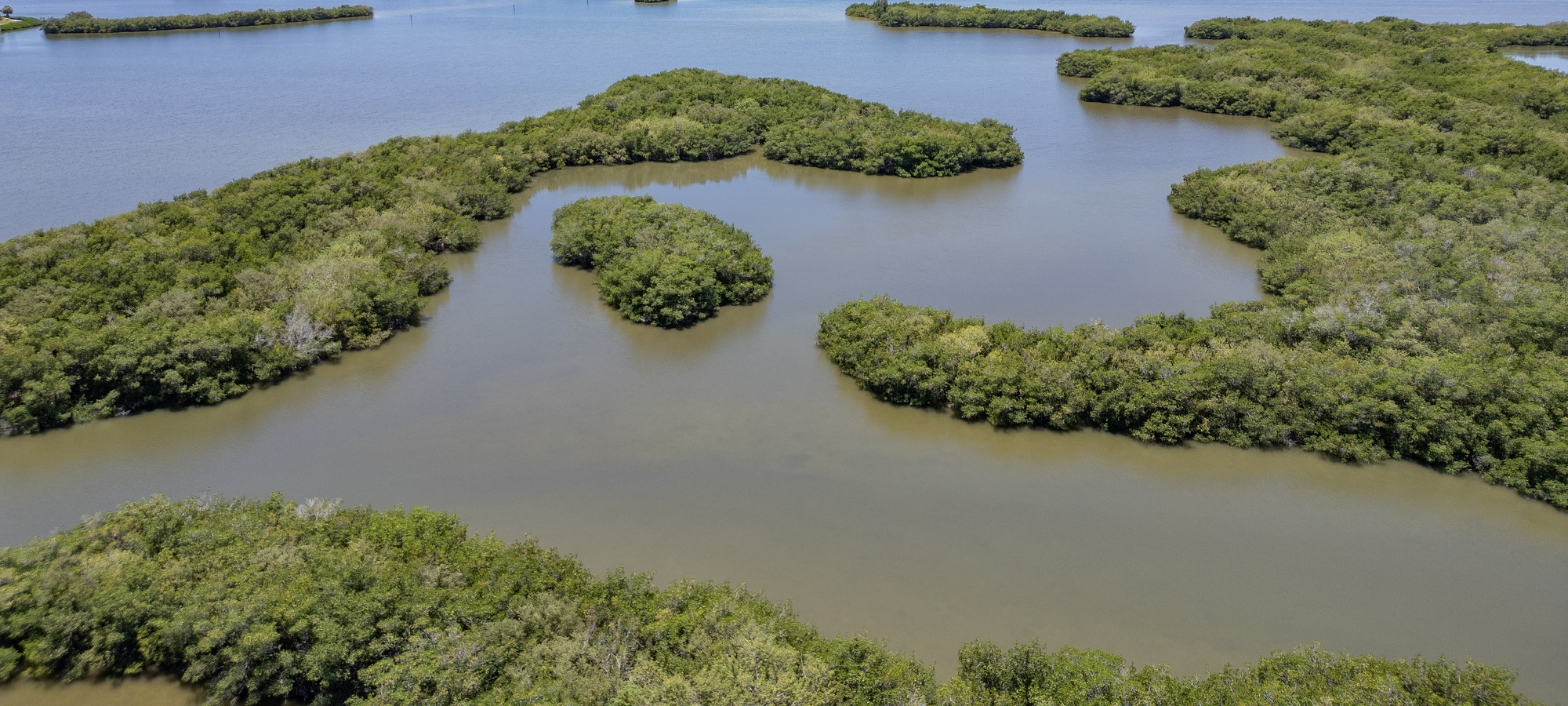
The value of our natural environment goes beyond beauty and the enjoyment of outdoor recreation. Natural areas help clean our air, purify our water, produce food and medicines, reduce chemical and noise pollution, slow floodwaters, and cool our streets.
The Florida Department of Health in Indian River (DOH-Indian River) works collaboratively to protect and improve the built and natural environment. The wide-reaching influences of the environment and community infrastructure as they relate to personal and community health are recognized by community stakeholders and drove the development of strategies and actions to support the sustainment of our natural environment. The resulting programs include:
- Promoting the education and responsible use of fertilizers, herbicides and pesticides to residents in partnership with Indian River County and the University of Florida’s Institute of Food and Agriculture, such as the development or adaption of educational materials, including presentations, digital and printed materials, partnering with the Institute of Food and Agriculture, etc.
- Continual operation of the National Atmospheric Deposition Program monitoring site, collection of atmospheric nitrogen data through the Ammonia Monitoring Network site (FL-19) and storm water deposits of nutrients . Ongoing partnership with the Indian River Lagoon National Estuary Program, Ammonia Monitoring Network, and St. Johns River Water Management District make this work possible.
- Environmental surveillance for conditions of public health significance, including harmful algal blooms and other marine toxins harmful to both human and animal health.
- Public education regarding the proper care and maintenance of onsite sewage treatment and disposal systems; with emphasis on sites near environmentally sensitive areas, through public service announcements, information distributed with each septic repair, and outreach to homeowner associations.
- Investigation and enforcement of illicit discharges into the MS4 storm water system as part of a continuing partnership with Indian River County Stormwater/Public Works, as well as other municipalities.
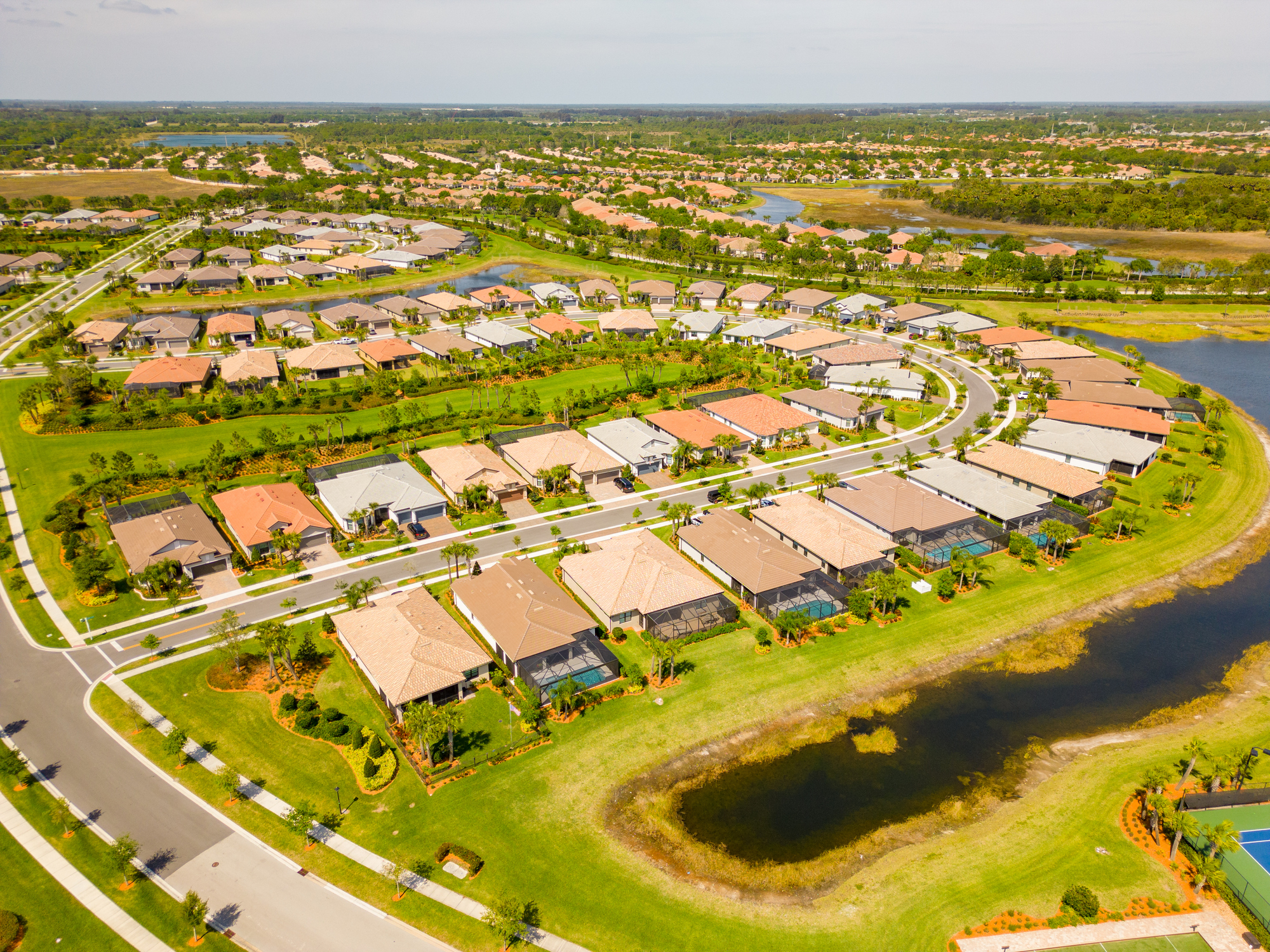
The built environment refers to human-made (versus natural) resources and infrastructure designed to support human activity such as buildings, roads, parks, restaurants, grocery stores, and other amenities. Characteristics of the built environment can affect the health of residents in multiple ways.
To find out if we are addressing a community’s needs, the Division of Environmental Health chose a community assessment approach called Protocol for Assessing Community Excellence in Environmental Health (PACE-EH), the result of a collaboration between the U.S. Center for Disease Control and Prevention and the National Association of County and City Health Officials.
PACE-EH is a community involvement tool that guides communities and local health officials in conducting community based environmental health assessments to identify local environmental health issues, set priorities for action, target populations most at risk, and address the issues identified in the assessment.
These community assessments highlight recurring problems including lack of economic opportunities, education, access to health care, transportation, lighting, sidewalks, flooding, lack of affordable housing, personal safety, and crime.
PACE-EH helps to provide structure to communities who know what their issues are but need a process to solve them. It provides the vehicle for the Division of Environmental Public Health partnering with county government, local non-profits, and community stakeholders to work efficiently and effectively with the community to accomplish solutions such as:
- Septic, sewer, and water service brought into compliance with county codes and sanitation requirements
- Park upgrades including walking trails, exercise equipment, and restrooms
- Bus route alterations for accessible and efficient transportation
Interactions between agencies and/or private entities and communities can help improve infrastructure. Infrastructure improves the quality of life by increasing the level and sense of safety and opportunities for physical activity which lead to better health.